
McDonough Directory Collections by Era
The verified digital city directory run is a set of Southern Bell white pages. Broader local history comes from newspapers, maps, census schedules, and Brown House holdings. Exact McDonough reverse-directory titles and years at Brown House are not published in its catalog, so confirm the shelf before planning address-first work.
| Collection | Documented years | Where kept | How to use it |
|---|---|---|---|
| Southern Bell white pages | 1974, 1975, two 1976 editions, 1977 | Library of Congress | Free scans and OCR |
| Henry County Weekly | 1892-1923, with 1891 predecessor | Georgia Historic Newspapers | Free searchable pages |
| McDonough Sanborn maps | 1905, 1911, 1923 | Digital Library of Georgia and UGA | Free map images |
| Federal census | Public schedules through 1950 | NARA, FamilySearch, Brown House | Online and research-room access |
| Local books, maps, film, family files | Varies by item | Brown House Family Research Library | Noncirculating, volunteer-assisted |
These are not interchangeable. Telephone books report listed subscribers. Census schedules capture households on one enumeration date. Sanborn maps describe buildings and uses, usually without residents. Newspapers add notices and social detail, while deeds prove recorded land transfers.
The verified years also set an honest boundary. No official catalog located in the research establishes a long Polk directory run or exact Brown House reverse-directory shelf. Missing dates should remain gaps, not be filled by assumptions about nearby Atlanta collections. Call the repository with a surname, street, and date range, and ask staff to confirm a title before travel. That small check separates a documented McDonough city directory from a general regional book that may not cover the needed exchange.
McDonough City Directories, 1974-1977
The Library of Congress has verified Southern Bell editions for March 1974, March 1975, April 1976, December 1976, and December 1977. The books cover McDonough, Hampton, Locust Grove, and the Griffin area under the former 404 area code. Preserve the printed locality abbreviation because a name appearing near a McDonough entry may belong to another exchange.
Open the April 1976 directory OCR as a finding aid.
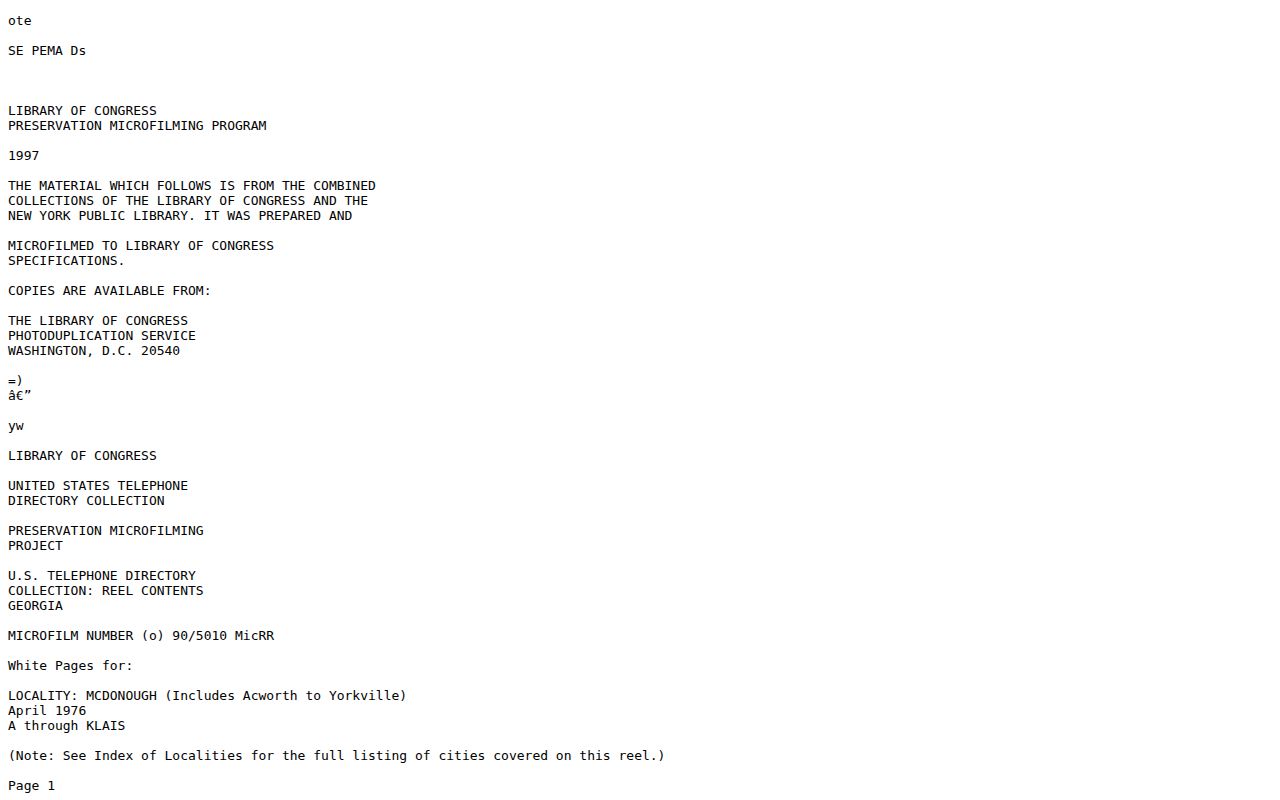
The OCR permits quick text searching, but compressed addresses and recognition errors make the scanned page the final check.
A telephone directory is not a city census. Unlisted households, homes without listed service, recent movers, and people whose phone appeared under someone else's name can be absent. A repeated telephone number may support continuity, but reassignment means it is never permanent identity proof.
The two editions in 1976 are especially useful for bracketing a change within one year. A new address between April and December may show a move or a change in how service was listed, but the directory alone cannot choose between them. Confirm the event with a deed, newspaper, or later census-style source. Likewise, the appearance of “McD” keeps the listing within the printed locality scheme; it does not certify that the property sat inside the legal city boundary.
Read a McDonough Directory Entry
The April 1976 format is spare. An entry can include surname, given name or initials, a courtesy title or suffix, a compressed service address, a locality code, and a seven-digit telephone number. Occupation appears only sometimes. The examples in the research are historical evidence and must not be presented as current contact data.
| Subscriber | Surname, given name, initials, and sometimes Mrs, Jr, or another qualifier |
|---|---|
| Address token | Compressed street, road, highway, rural route, or drive text |
| Locality | Abbreviations such as McD or LG that preserve exchange scope |
| Telephone | The listed seven-digit number for that edition, not a current number |
| Not included | Ownership, all occupants, and consistent spouse details |
- Criss-cross directory
- A volume or section ordered by street and house number. The verified Southern Bell volume is alphabetical, not confirmed as reverse.
- Householder index
- A name list centered on the person under whom a home entry is printed, not every member of the household.
- Abbreviation key
- The publisher's explanation of shortened street, locality, and status terms. Save it with every copied entry.
Search McDonough Directory OCR Carefully
OCR, or optical character recognition, converts a page image to searchable text. In the 1976 book it can merge an address into a token such as OldCovngtnHwyMcD or SunnybrookDrMcD. Search the surname alone, the road-name root without spaces, common endings such as Rd, Dr, or Hwy, and likely letter substitutions. Then return to the scan.
Alphabetical neighbors on an OCR page are not physical neighbors. Names merely sort together. Address-first work requires either token searching or a confirmed criss-cross volume. If Brown House staff identify one, capture the publisher, exact edition date, geographic scope, and abbreviation key before relying on it.
Try initials and surname variants as separate searches. Older pages may print a courtesy title, suffix, or shortened given name that modern indexes handle poorly. Search the phone number without punctuation if it repeats across years. For road names, omit spaces and test the period spelling. Save a page image or citation even when the OCR looks clean, since later researchers need to see the type and surrounding heading.
Search tip. A failed exact street search is not a missing record. Try the root word, locality code, and merged version before checking the image.
Brown House McDonough Research Desk
The Brown House Family Research Library at 71 Macon Street is the strongest local research room described in the sources. Its more than 2,600 books sit with Georgia and county material, periodicals, maps, local newspaper microfilm, census film, Confederate pension film, land-lot maps, family histories, surname files, and onsite genealogy databases. The historic former Brown-family hotel is now a volunteer-assisted archive.
Review the Brown House library collection before a visit.
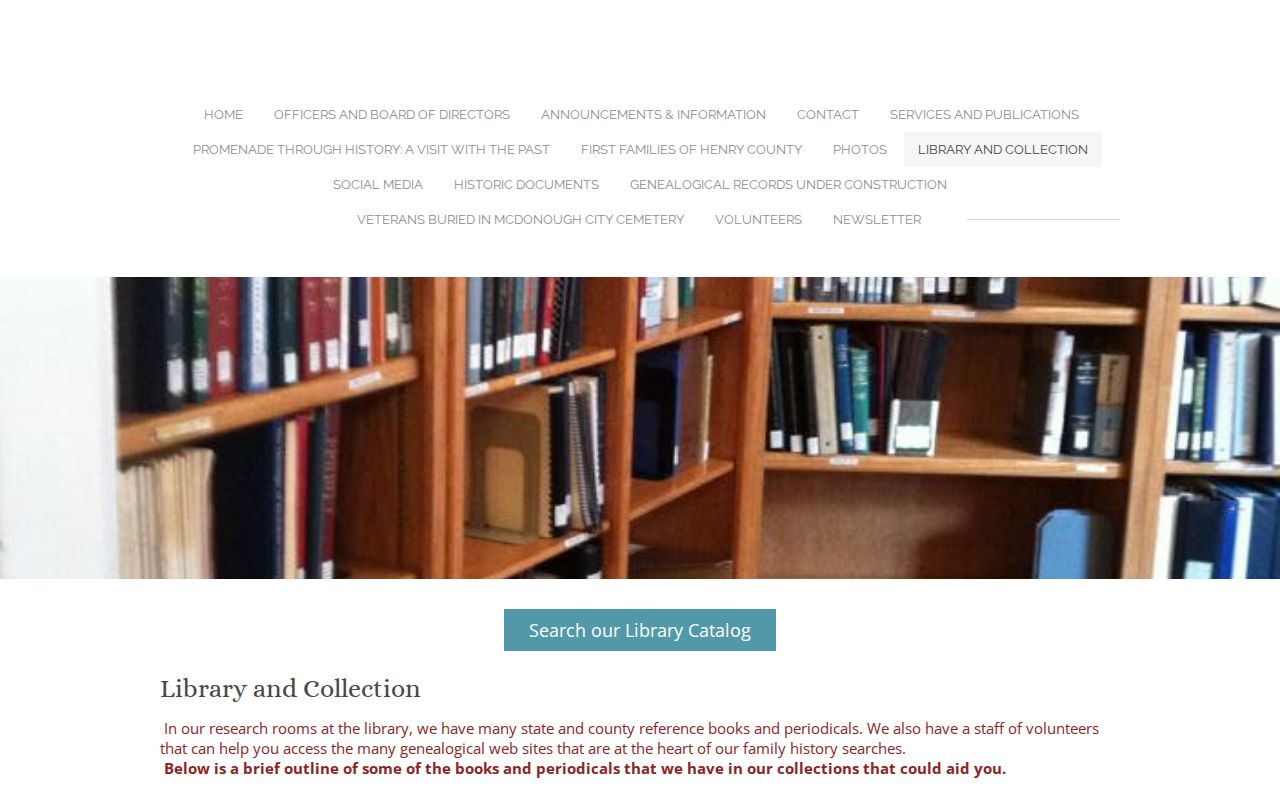
The collection page shows the range of local tools available when a city directory scan does not answer the question.
Published hours are Wednesday and Friday from 10 a.m. to 3 p.m., with appointments available, and the telephone is 770-954-1456. Confirm current hours, fees, and exact directory titles before travel. Written research services and precise reverse-directory years were not verified.
Bring a short research log. List names with alternate spellings, known dates, roads, land lots, and the sources already checked. Volunteers can then connect a surname file to a map, newspaper reel, census page, or family history without repeating the same search. Since the books and files are noncirculating, record titles, authors, edition dates, page numbers, and any local call information while onsite.
Georgia Archives Beyond City Directories
The Georgia Archives supports gaps with county microfilm, church and cemetery sources, newspapers, vital indexes, and research guides. Henry County was created in 1821 from Creek lands, and its original territory later contributed to several counties. A family can remain in place while the custodian name changes, so record the date and county boundary along with the address.
Consult the Georgia Archives research guide for directory and community sources.
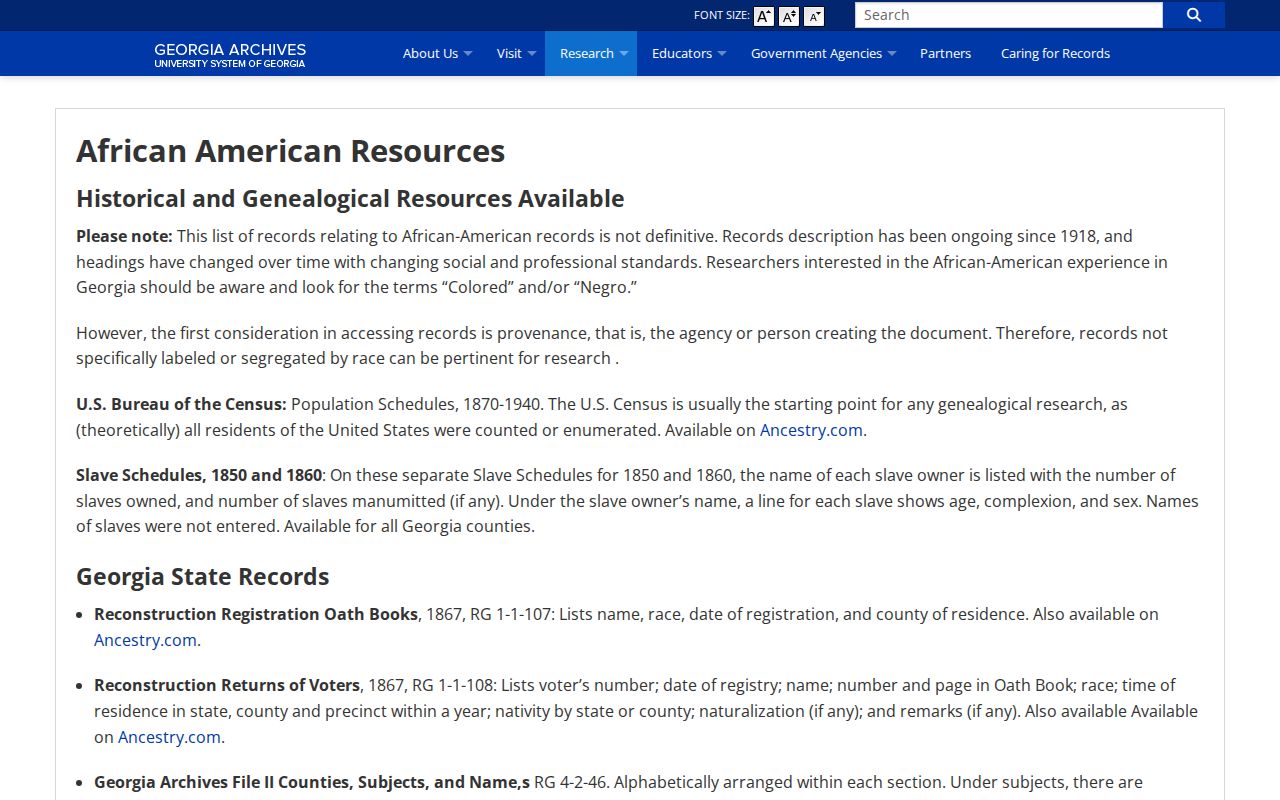
The guide points toward records that recover people omitted from printed phone books, including church, cemetery, newspaper, and vital material.
Map the McDonough Directory Address
Sanborn fire-insurance maps survive for May 1905, October 1911, and December 1923. Begin with the index sheet, locate the street and block, then record the sheet, old street name, number, footprint, stories, construction symbols, use, and outbuildings. The maps cover the central built-up area rather than every modern postal address, and occupancy labels often describe use instead of residents.
The Henry County Weekly run adds obituaries, probate and sheriff-sale notices, marriages, deaths, social notes, business ads, and property descriptions. Search both names and road or place terms. Newspaper OCR can split columns, so inspect the page. Contemporary reporting is useful evidence, but it is not a certified government record.
Maps and papers solve different gaps in city directories. A Sanborn sheet can show that a structure existed before the telephone run, while a legal notice may connect a family surname to the land description. Brown House land-lot maps help when a rural record has no street number. Follow the same description forward into plats and deeds rather than forcing a modern address onto an older source.
McDonough Organization Directory Clues
Community directories can identify organizations, not households. The Henry County Chamber list offers keyword, alphabetical, and category browsing. Fraternal Lodge No. 37, operating since 1844, publishes organization contact information rather than a member roll. These sources can explain a business or civic connection found in a newspaper, but they do not prove a person lived at an address.
Open the Henry County organization directory to search public organization listings.
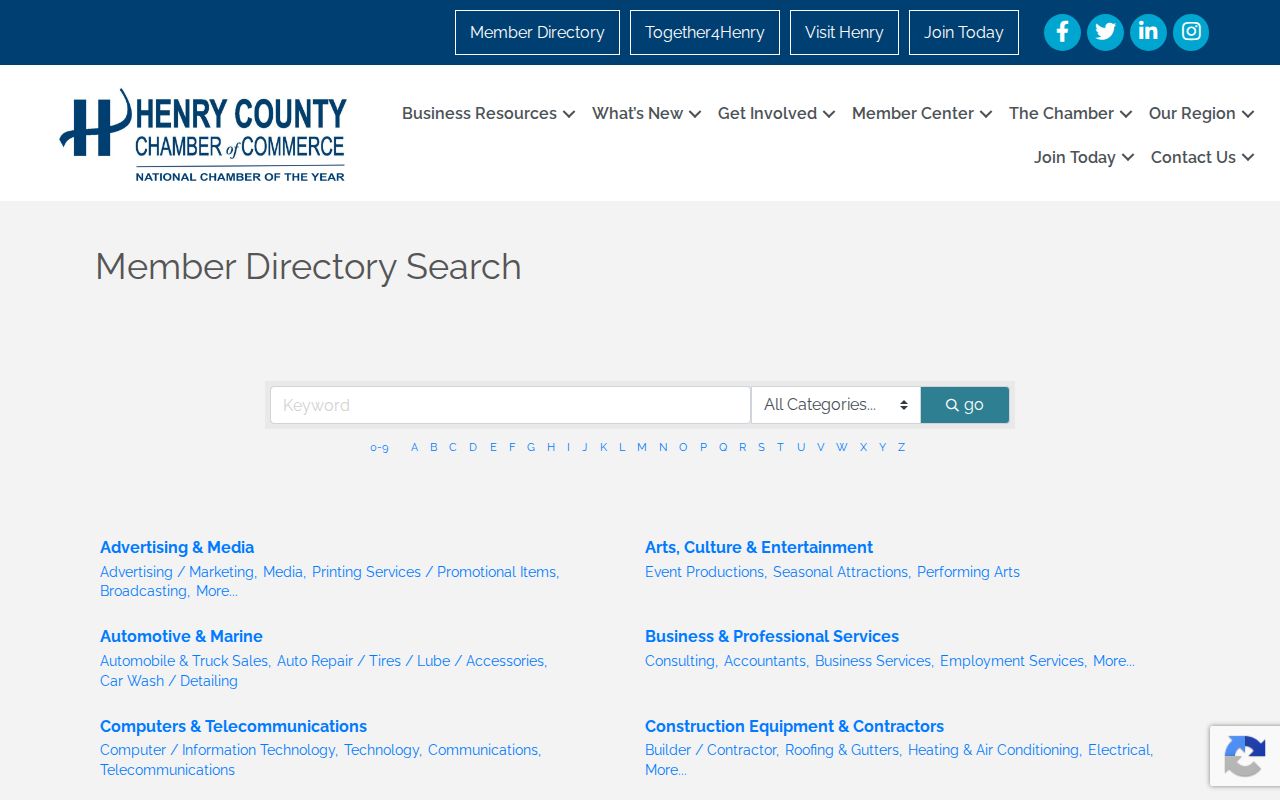
The captured directory demonstrates the distinction between a public organization listing and a resident directory.
Trace McDonough Families Across Directories
Consecutive sources reveal change better than one isolated entry. The public federal census reaches through 1950 in 2026 because of the 72-year release rule. It supplies relationships, age, birthplace, and other household facts at one point in time. City directories and phone books can bridge years between census schedules.
- Find the surname in one verified Southern Bell edition and copy the whole entry, locality code, page, and edition date.
- Check the other 1974-1977 books for moves, new service, spelling changes, or a repeated telephone number.
- Pair the person with the 1950 census or later dated deeds, preserving dates and identity anchors.
- Use Sanborn maps for older building context and Henry County Weekly for family, probate, death, or property notices.
- Ask Brown House staff about surname files, land-lot maps, and any confirmed reverse volume that matches the period.
A disappearance can mean a move, death, unlisted service, or a changed subscriber. Test those explanations with deeds, census, newspapers, probate, and cemetery material. For present-day address-keyed ownership, switch to the McDonough street directory workflow.